Maximizing Your Weekly Work Schedule for Strategic Success
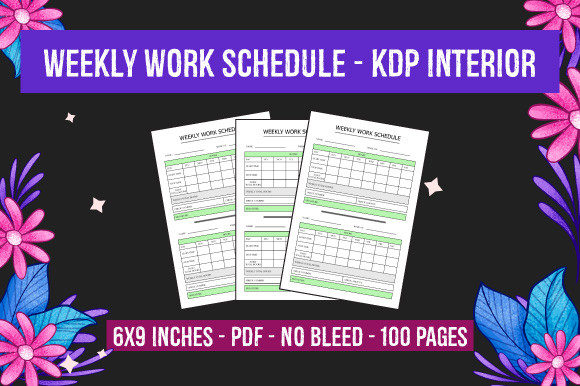
In today's fast-paced world, managing your time effectively is crucial. The Weekly Work Schedule is a powerful tool designed to help you organize and prioritize your tasks, ensuring that you stay on track with your goals and commitments. This 6" x 9" inch planner, with its 100-page interior and high-resolution PDF files, offers a versatile and practical solution for anyone looking to enhance their productivity and achieve better results.
Understanding the Weekly Work Schedule
The Weekly Work Schedule is more than just a planner; it's a strategic asset. With no bleed and high-resolution PDF files, it provides a clear, organized space to map out your week. Whether you're an entrepreneur, a professional, or a freelancer, this tool can help you manage your time more efficiently, leading to improved outcomes and a better work-life balance.
Strategic Use of the Weekly Work Schedule
Thoughtful use of the Weekly Work Schedule can significantly support your goals and planning. Here’s how:
- Goal Setting: Start by identifying your key objectives for the week. Break them down into actionable tasks and allocate specific times to work on each one.
- Prioritization: Prioritize your tasks based on urgency and importance. Use the schedule to block out time for high-priority items, ensuring they get the attention they need.
- Time Management: Allocate specific blocks of time for different activities. This helps in maintaining focus and reducing the likelihood of multitasking, which can often lead to decreased productivity.
When and How to Use the Weekly Work Schedule
The best time to use the Weekly Work Schedule is at the beginning of each week. Spend some time reviewing your upcoming tasks and commitments. Consider the following steps:
- Review and Reflect: Look back at the previous week to assess what went well and what didn’t. Identify any patterns or areas for improvement.
- Set Clear Goals: Define what you want to achieve in the coming week. Be specific and realistic about your goals.
- Plan Your Tasks: Break down your goals into smaller, manageable tasks. Assign each task to a specific day and time slot.
- Monitor and Adjust: Throughout the week, check your progress and make adjustments as needed. Stay flexible but focused.
Practical Examples and Planning Tips
Here are some practical examples of how different professionals can use the Weekly Work Schedule:
- Entrepreneurs: Use the schedule to plan meetings, marketing campaigns, and product development. Allocate time for networking and personal development.
- Marketers: Block out time for content creation, social media management, and analytics. Ensure you have dedicated slots for brainstorming and strategy sessions.
- Freelancers: Manage your client projects, administrative tasks, and personal projects. Use the schedule to balance your workload and avoid burnout.
Risks and Considerations
While the Weekly Work Schedule is a valuable tool, it’s important to use it strategically. Over-reliance without clear goals or context can lead to rigid schedules that stifle creativity and flexibility. Here are some considerations:
- Flexibility: Allow for some unscheduled time to handle unexpected tasks or to recharge.
- Realistic Goals: Set achievable goals to avoid feeling overwhelmed and discouraged.
- Regular Review: Regularly review and adjust your schedule to ensure it remains relevant and effective.
Intentional Use for Long-Term Success
To use the Weekly Work Schedule intentionally, focus on aligning it with your long-term goals and values. Here are some tips:
- Align with Values: Ensure that the tasks and activities in your schedule align with your personal and professional values.
- Focus on Outcomes: Emphasize the outcomes you want to achieve rather than just the tasks themselves. This helps in staying motivated and focused.
- Continuous Improvement: Regularly seek feedback and look for ways to improve your scheduling and planning process.
By using the Weekly Work Schedule thoughtfully and strategically, you can enhance your productivity, achieve your goals, and maintain a balanced and fulfilling life. Remember, the key is to use it as a tool to support your broader objectives, not as a rigid framework that limits your flexibility and creativity.