Mastering the Sales Log Book: A Comprehensive Guide for Modern Sellers
Introduction to the Sales Log Book
A Sales Log Book is an essential tool for anyone involved in sales, whether you're a small business owner, a freelance seller, or part of a larger sales team. It serves as a detailed record of all your sales activities, providing a structured way to track and analyze your performance over time.
The Purpose and Significance of a Sales Log Book
The primary purpose of a Sales Log Book is to help you stay organized and informed about your sales activities. By maintaining a consistent log, you can:
- Keep track of customer interactions and follow-ups.
- Monitor sales trends and identify areas for improvement.
- Set and achieve sales goals more effectively.
- Provide a clear overview of your sales performance for management or personal review.
Practical Relevance in Modern Sales
In today's fast-paced business environment, having a well-organized Sales Log Book is more important than ever. It not only helps in managing day-to-day tasks but also in making strategic decisions based on data-driven insights. Whether you are using a digital or physical log, the key is to maintain it consistently.
Setting Up Your Sales Log Book
Before you start logging your sales activities, it's crucial to set up your Sales Log Book properly. Here’s a step-by-step guide:
- Choose the Format: Decide whether you prefer a digital or physical log. Digital logs offer convenience and easy sharing, while physical logs can be more tangible and less reliant on technology.
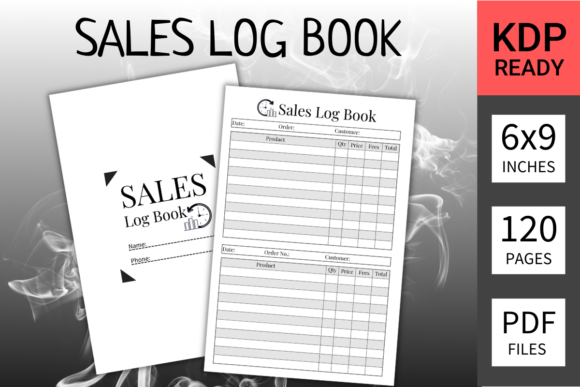
- Define the Sections: Common sections include date, customer name, contact information, product details, quantity, price, and notes. Tailor these sections to fit your specific needs.
- Set Up Templates: Create templates for each section to ensure consistency and ease of use. This can be done in a spreadsheet, word processor, or even a specialized app.
Logging Sales Activities
Once your Sales Log Book is set up, it's time to start logging your activities. Here are some tips to make the most of your log:
- Be Consistent: Make it a habit to log every interaction, no matter how minor. Consistency is key to building a comprehensive and useful log.
- Use Clear Descriptions: Provide detailed and clear descriptions of each interaction. This will help you remember the context and details when reviewing later.
- Regular Reviews: Set aside time weekly or monthly to review your log. This will help you identify patterns, successes, and areas for improvement.
Specifications and Requirements
If you are looking to create a Sales Log Book for publishing on KDP, here are the specifications and requirements to keep in mind:
- Dimensions: 6 x 9 inches (standard paperback size).
- No Bleed: Ensure that there are no elements that extend beyond the trim line.
- Formatted for KDP: Follow KDP’s formatting guidelines to ensure your book meets their standards.
Files Included
Your Sales Log Book for KDP should include the following files:
- 1 PDF File: 120 pages with KDP dimensions, ready for print or upload.
- 3 PDF Files:
- Intro Page: A brief introduction to the log book and its purpose.
- Sales Log Book Pages: Formatted pages for logging sales activities.
Example 1: Small Business Owner
Jane, a small business owner, uses her Sales Log Book to track daily sales from her boutique. She logs each transaction, including the customer's name, items purchased, and any special requests. This helps her to:
- Identify popular products and reorder them in advance.
- Follow up with customers for feedback and repeat business.
- Analyze sales trends and adjust her inventory accordingly.
Example 2: Freelance Seller
John, a freelance seller, uses his Sales Log Book to manage multiple clients and projects. He logs each client interaction, project status, and payment details. This helps him to:
- Stay on top of deadlines and deliverables.
- Track payments and invoices efficiently.
- Build a strong professional relationship with clients through consistent follow-ups.
Misunderstanding: A Sales Log Book is Only for Large Businesses
This is a common misconception. In reality, a Sales Log Book is beneficial for businesses of all sizes. Even small businesses and freelancers can benefit greatly from keeping a detailed log of their sales activities.
Misunderstanding: A Sales Log Book is Too Time-Consuming
While it may seem like an additional task, the benefits of maintaining a Sales Log Book far outweigh the time investment. With consistent use, it becomes a quick and efficient process, and the insights gained can significantly improve your sales performance.
Conclusion
A Sales Log Book is a powerful tool for any seller, providing a structured and organized way to track and analyze sales activities. Whether you are setting up a new log or refining an existing one, following the steps and best practices outlined in this guide will help you maximize its effectiveness. For those looking to publish their Sales Log Book on KDP, adhering to the specified formats and including the necessary files will ensure a smooth and successful publication process.
By integrating a Sales Log Book into your daily routine, you can gain valuable insights, improve your sales performance, and build stronger relationships with your customers. Start logging today and see the difference it can make in your sales journey.